
Trontek Targets 12 GWh Battery Storage Capacity by 2028
Trontek Electronics aims to ramp up its battery energy storage system (BESS) manufacturing capacity to 12 GWh annually by 2028, starting with an initial capacity of 3 GWh. The company has also unveiled a 5 MWh BESS solution for commercial and industrial applications.
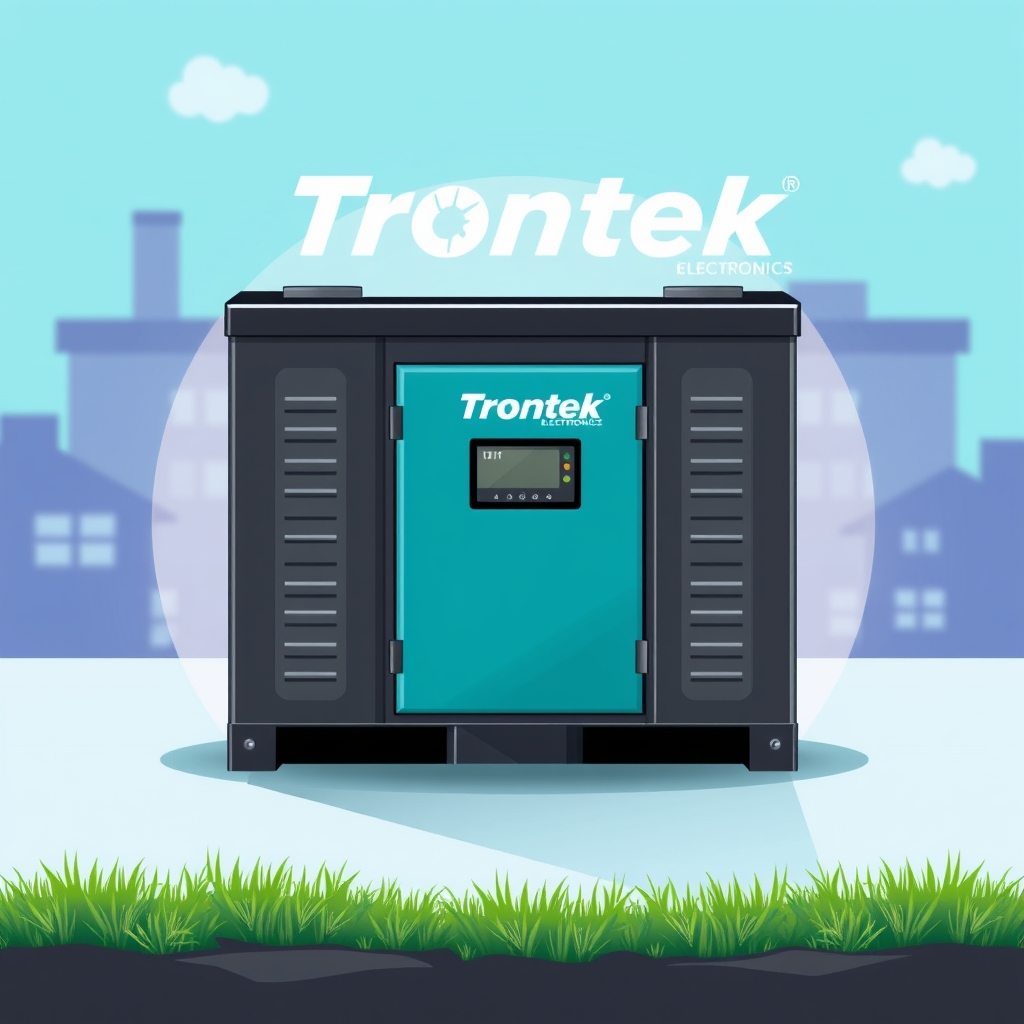
Trontek Electronics, a leading electronics company, has set an ambitious target to achieve an annual battery energy storage system (BESS) manufacturing capacity of 12 GWh by 2028. This move is part of the company's strategy to capitalize on India's growing renewable energy market, particularly in the battery storage segment.
Current Developments and Expansion Plans
Scaling Up Battery Energy Storage Systems (BESS) Manufacturing
Trontek Electronics is aggressively expanding its battery energy storage systems (BESS) manufacturing capabilities to meet growing demand. The company aims to start with an initial BESS manufacturing capacity of 3 GWh, a significant step towards its ambitious target of 12 GWh annual capacity by 2028. This strategic move positions Trontek to capitalize on India's burgeoning BESS market, which is expected to require 236 GWh of BESS by FY2031-32.
Diversifying BESS Portfolio for Various Applications
To cater to diverse market needs, Trontek has introduced a new 5 MWh BESS solution, specifically designed for commercial and industrial (C&I) as well as utility-scale applications. Key features of its BESS portfolio include:
- Rated capacities ranging from 215 kWh to 5 MWh
- This broad portfolio allows Trontek to address the needs of various customers, from small-scale C&I projects to large utility-scale installations. With 88% of India's installed utility-scale capacity concentrated in Gujarat and Rajasthan, Trontek's expansion plans are likely to have a significant impact on these regions.
Supporting India's Renewable Energy Goals
Trontek's expansion plans align with India's renewable energy objectives, including the goal of powering 60-lakh households with rooftop solar under the PM Surya Ghar initiative. As the demand for BESS grows, driven in part by the increasing adoption of rooftop solar – Tata Power Renewables has already achieved 5.67 GW of rooftop solar capacity in India and aims for 575,000 installations by 2026 – companies like Trontek are poised to play a crucial role in supporting the grid. With 2.5 lakh workers trained for rooftop solar and a growing pipeline of 176.66 GWh BESS projects, the sector is set for significant growth.
India's BESS Market Outlook
The Indian government aims to achieve 500 GW of non-fossil fuel-based power capacity by 2030, with renewable energy playing a crucial role. Battery energy storage systems (BESS) will be essential in this transition, enabling the efficient integration of intermittent renewable energy sources into the grid. Projections indicate that India's BESS requirement will reach 236 GWh by FY2031-32. Currently, the BESS project pipeline stands at 176.66 GWh, with 88% of the installed utility-scale capacity concentrated in Gujarat and Rajasthan.
Sector Context and Implications
As the demand for BESS grows, manufacturers like Trontek are scaling up their production capacities. Trontek targets 12 GWh annual BESS manufacturing capacity by 2028, starting with an initial capacity of 3 GWh. This expansion will have significant implications for developers, investors, and consumers. A larger domestic BESS manufacturing capacity will reduce reliance on imports, create jobs, and drive down costs. With a growing BESS market, developers can expect increased opportunities for project development, while investors can anticipate a more robust and sustainable energy storage sector. As the grid becomes increasingly reliant on renewable energy sources, consumers can expect a more reliable and resilient power supply.
Growth in Rooftop Solar and BESS Adoption
Increasing Demand for Battery Energy Storage Systems
Rooftop solar growth is driving demand for Battery Energy Storage Systems (BESS) solutions. Tata Power Renewables has installed 575,000 rooftop solar systems with a 5.67 GW capacity in India. The company plans to expand installations, reaching new milestones by 2026.
The Indian government's PM Surya Ghar initiative has supported 60-lakh households in installing rooftop solar. A 2.5-lakh workforce has been trained for installations. BESS solutions can complement rooftop solar by storing excess energy generated during the day for evening use. This stabilizes the grid and enhances energy security.
BESS Market Outlook
India's BESS requirement is projected to reach 236 GWh by FY2031-32. Currently, the BESS project pipeline stands at 176.66 GWh. Gujarat and Rajasthan account for 88% of the installed utility-scale capacity. Trontek's BESS portfolio ranges from 215 kWh to 5 MWh, suitable for commercial and industrial applications. The company recently unveiled a 5 MWh BESS solution. Trontek aims to increase its BESS manufacturing capacity to 12 GWh by 2028, starting with an initial 3 GWh capacity.
Advancements in BESS Technology
Enhanced Performance and Durability
AuroraCell, a residential battery solution, boasts a rated energy of 9.7 kWh and can withstand 20,000 cycles at 100% depth of discharge. This technology ensures a long lifespan and reliable performance, making it an attractive option for homeowners seeking energy storage solutions. The battery comes with a 20-year warranty, providing customers with long-term assurance and reducing the overall cost of ownership.
Growing Importance of BESS in India's Energy Sector
The development of BESS technologies like AuroraCell is crucial for India's energy landscape, particularly with the government's ambitious renewable energy targets. As of now, Trontek's BESS portfolio ranges from 215 kWh to 5 MWh, catering to commercial and industrial (C&I) and utility-scale applications. With a current manufacturing capacity of 3 GWh, Trontek aims to scale up to 12 GWh by 2028. This expansion is significant, considering India's projected BESS requirement of 236 GWh by FY2031-32. As the sector continues to grow, developers, investors, and consumers can expect increased efficiency, reduced costs, and improved grid resilience.
Comparison of BESS and Rooftop Solar Milestones
Setting the Stage for India's Energy Transition
Trontek Electronics is poised to significantly bolster India's battery energy storage system (BESS) capacity, targeting 12 GWh of annual manufacturing capacity by 2028. This move comes as the country accelerates its adoption of renewable energy sources. For context, BESS solutions like Trontek's range from 215 kWh to 5 MWh, catering to commercial and industrial (C&I) and utility-scale applications.
Current Status and Projections
- India's BESS requirement is projected to reach 236 GWh by FY2031-32.
- The current BESS project pipeline stands at 176.66 GWh.
- Gujarat and Rajasthan hold 88% of the installed utility-scale capacity.
Rooftop Solar Ambitions
India's push for rooftop solar is also gaining momentum:
- The Indian government aims to have 60 lakh households with rooftop solar under the PM Surya Ghar initiative.
- 2.5 lakh workers have been trained for rooftop solar installations.
- Tata Power Renewables has set a significant milestone with 575,000 rooftop solar installations planned by 2026, contributing to its 5.67 GW rooftop solar capacity in India.
Implications for the Energy Sector
Trontek's ambitious BESS manufacturing target and the growth in rooftop solar installations underscore the critical role of energy storage and distributed renewable energy in India's transition to a low-carbon economy. With a substantial BESS project pipeline and increasing demand for renewable energy solutions, developers, investors, and consumers are likely to see new opportunities emerge in the sector. As the country moves towards meeting its renewable energy goals, events like the webinar and in-person event scheduled for 2026 will be crucial for stakeholders to discuss advancements and challenges in the sector.
What to watch
Emerging Trends in Battery Storage
India's battery energy storage system (BESS) market is poised for substantial growth, driven by the government's push for renewable energy and ambitious targets for rooftop solar installations, such as 60-lakh households with rooftop solar under PM Surya Ghar. A key player to watch is Trontek Electronics, which aims to ramp up its BESS manufacturing capacity to 12 GWh by 2028, starting from an initial capacity of 3 GWh.
The company's BESS portfolio, spanning 215 kWh to 5 MWh, is designed for commercial and industrial (C&I) and utility-scale applications, as seen in its recent unveiling of a 5 MWh BESS solution. This move is significant, given India's projected BESS requirement of 236 GWh by FY2031-32 and a current project pipeline of 176.66 GWh.
Sector Implications
For developers, investors, and consumers, several factors will influence the sector's trajectory:
- Advancements in BESS technology, such as improved cycle life, as demonstrated by AuroraCell's residential battery with 20,000 cycles at 100% depth of discharge and a 20-year warranty.
- Cost reductions and economies of scale, as seen in Tata Power Renewables' rooftop solar expansion, with 5.67 GW capacity and 575,000 installations by 2026.
- Growth in utility-scale installations, with 88% of installed capacity currently concentrated in Gujarat and Rajasthan.
As the sector evolves, stakeholders will closely monitor Trontek's progress toward its 2028 target and the overall growth of India's BESS market. Upcoming events, including a webinar and in-person event in 2026, may provide further insights into the sector's developments and future outlook.
Source: pv magazine India. This article is an original Luminity report based on the linked source.