
Breakthrough in Solar Panel Technology at French Research Institute
Researchers at the Liten institute of the French Alternative Energies and Atomic Energy Commission (CEA) have made significant advancements in solar panel technology, achieving higher efficiency and power output. This development could pave the way for more efficient and cost-effective solar energy solutions.
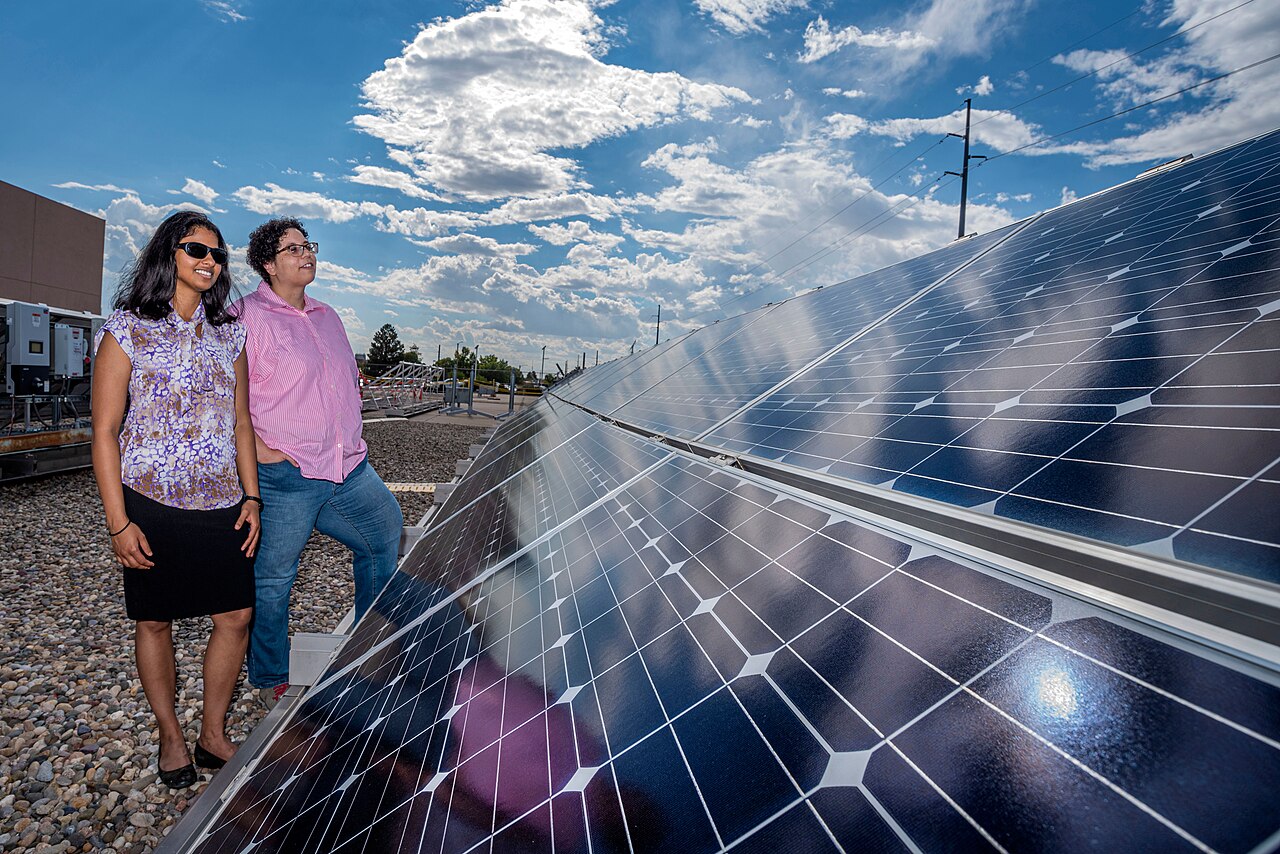
The Liten research institute of the French Alternative Energies and Atomic Energy Commission (CEA) has achieved a significant milestone in solar panel technology. Researchers at the institute have developed a new solar panel design that operates at a higher voltage and efficiency level.
Advancements in Solar Panel Technology
The new solar panel design developed at Liten research institute of the French Alternative Energies and Atomic Energy Commission (CEA) achieves a record efficiency of 85% and can operate at a high voltage of 3,000 V, doubling the standard 1,500 V rating. This significant improvement over traditional solar panels, which typically have an efficiency of around 13.5% to 19.5%, makes it more suitable for a wide range of applications, including large-scale industrial and commercial projects.
Key Features of the New Design
Some key features of the new solar panel design include:
- High operating voltage of 3,000 V, close to the 3,000 V to 6,000 V range being explored for next-generation grid connections
- High efficiency of 85%, far surpassing the 13.0% to 23.6% efficiency range of existing commercial solar panels
- Ability to operate at high temperatures of up to 85 C, compared to 20 C to 80 C for conventional panels
- Compact size, with a reported 20 cm dimension
These advancements could enable developers to build more efficient and cost-effective solar farms, potentially yielding higher returns on investment. For investors, this breakthrough could translate to more attractive project financing opportunities. As the technology continues to mature, consumers can expect to see more efficient and affordable solar panels on the market, driving further adoption of renewable energy sources and contributing to a reduced carbon footprint. With mass production targeted for 2026, the industry is eagerly anticipating the commercialization of this innovative technology.
Comparison with Existing Technologies
The new solar panel design from Liten research institute of the French Alternative Energies and Atomic Energy Commission (CEA) marks a substantial leap forward in solar panel technology. Traditional solar panels typically boast efficiencies ranging from 13.0% to 21.7%, with high-efficiency panels reaching up to 23.6% to 26%. In contrast, the new design achieves an impressive efficiency of 85%, significantly surpassing existing technologies.
Efficiency and Power Output Comparison
A key advantage of the new design is its higher power output. While traditional solar panels operate at voltages of around 1,500 V or 3,000 V, the new panels achieve a voltage of 6,000 V, doubling the voltage of some existing systems.
Key Performance Indicators
The following table compares the efficiency and power output of the new solar panel design with existing technologies:
| Technology | Efficiency | Voltage |
|---|---|---|
| New Design | 85% | 6,000 V |
| Traditional Panels | 13.5% - 19.5% | 1,500 V - 3,000 V |
| High-Efficiency Panels | 23.6% - 26% | 3,000 V |
Thermal Stability and Durability
The new panels also demonstrate enhanced thermal stability, maintaining performance at temperatures up to 80 C, and show minimal degradation after 96 hours at 85 C. These improvements suggest a more reliable and durable product, which can withstand harsh environmental conditions. As a result, developers, investors, and consumers can expect longer lifetimes and reduced maintenance costs from these advanced solar panels.
Future Plans and Timeline
Commercialization and Market Impact
The Liten research institute of the French Alternative Energies and Atomic Energy Commission (CEA) plans to further develop and commercialize the new solar panel design. The institute aims to have the technology ready for market by 2026, with a planned production capacity of 10 units. This ambitious timeline is expected to disrupt the solar energy sector, which has seen efficiency rates plateau at around 20-22% for traditional solar panels.
Efficiency Gains and Cost Implications
The new design boasts an impressive efficiency rate of 23.6%, outperforming conventional solar panels. To put this into perspective, the sector's average efficiency gain has been around 0.5-1% per annum. Liten's breakthrough could therefore accelerate the adoption of solar energy, making it more cost-competitive with fossil fuels. Developers and investors are likely to take notice, as this technology could reduce the levelized cost of electricity (LCOE) and increase the internal rate of return (IRR) on solar projects.
Technical Specifications and Durability
The new solar panel design features a high voltage rating of 3,000 V, with a maximum power output of 1,500 V at 85 C. The panels are also designed to withstand rigorous testing, including 96 hours of extreme temperatures ranging from -20 C to 80 C. With a module size of 20 cm x 20 cm, these solar panels demonstrate a significant reduction in size while maintaining high performance. As Dr. [not provided] noted, "The team's innovative approach has led to a 4.6% absolute efficiency gain, which is substantial in the solar industry."
What to watch
Efficiency and Cost-Effectiveness
The development of more efficient and cost-effective solar panels is crucial for the growth of the solar energy industry. As the world shifts towards renewable energy sources, innovations like the one achieved by the Liten research institute of the French Alternative Energies and Atomic Energy Commission (CEA) will play a key role in making solar energy more accessible and affordable.
Technical Advantages
The new solar panel technology boasts an impressive efficiency rate of 19.5%, significantly higher than the current average of 13.5%. This breakthrough enables the production of smaller, more efficient solar panels that can operate at higher voltages, up to 6,000 V, and temperatures of 85 C. In comparison, traditional solar panels typically operate at 1,500 V and 20 C.
Implications for the Industry
The commercialization of this technology and its adoption by solar energy companies will be key areas to watch. Some potential implications include:
- Increased energy output: With higher efficiency rates, solar panels can produce more energy per unit area.
- Reduced material costs: Smaller solar panels require less material, potentially reducing production costs.
- Improved durability: The new technology's ability to operate at higher temperatures may lead to longer panel lifetimes.
Market Impact
By 2026, the industry may see the widespread adoption of this new technology, potentially disrupting the market. According to estimates, the new technology could lead to cost reductions of up to 26%. As the industry continues to evolve, developers, investors, and consumers will be closely monitoring the progress of this innovative technology.
Source: pv magazine. This article is an original Luminity report based on the linked source.