
Eskom Seeks 6 GW of Renewables-Plus-Storage Projects
South Africa's state-owned utility Eskom has launched a request for quotes for 6 GW of utility-scale renewable energy projects, including at least 2 GW of solar PV and 1 GW of battery energy storage. The move is part of Eskom's efforts to transition away from coal-fired generation and reduce diesel expenditure.
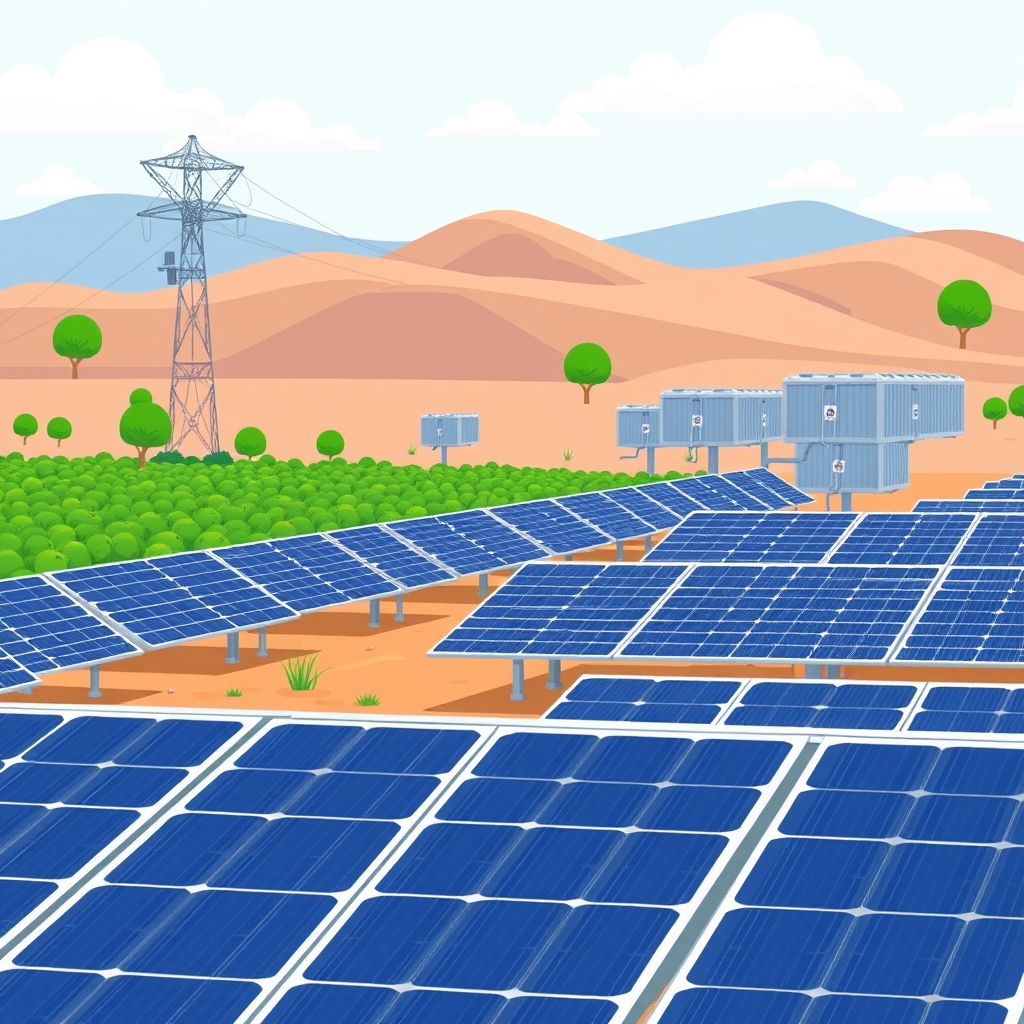
Eskom Sets Out to Revolutionize South Africa's Energy Mix with 6 GW Renewables-Plus-Storage Push
South Africa's state-owned utility Eskom is making a concerted effort to wean itself off coal-fired generation and reduce its dependence on costly diesel-fired peaking plants. The company has issued a request for quotes (RFQ) for 6 GW of utility-scale renewable energy projects, including a minimum of 2 GW of solar PV and 1 GW of battery energy storage systems (BESS).
Eskom's Bold Vision for a Low-Carbon Future
Eskom's RFQ for 6 GW of renewables-plus-storage projects marks a pivotal moment in the company's transition to a more sustainable energy mix. The projects, which will be situated on utility-owned land and existing generation sites, will combine large-scale renewable energy with BESS.
Eskom plans to contribute at least 2 GW of solar PV and 1 GW / 4 GWh of BESS to the projects. Strategic partners will have the opportunity to contribute up to 4 GW of projects. Each project will be owned by a dedicated, ring-fenced special purpose vehicle (SPV) and will be financed on a limited-recourse or non-recourse project finance basis.
Key Implications for Developers and the Grid
- Project Structure: Developers will collaborate with Eskom and strategic partners to establish SPVs for each project.
- Financing: Limited-recourse or non-recourse project finance will be used, which may attract investors seeking lower-risk opportunities.
- Grid Impact: The addition of 6 GW of renewable energy and 1 GW / 4 GWh of BESS will help alleviate Eskom's reliance on coal-fired generation and diesel-fired peaking plants, which currently incur substantial expenditure.
This move is part of Eskom's broader strategy, including the launch of Eskom Green in July, as the company undergoes an unbundling process initiated in 2023. The success of these projects will be crucial in determining the future of South Africa's energy mix and the potential for increased private investment in the sector.
Unpacking the RFQ: Project Structure and Financing
Eskom's RFQ for 6 GW of renewables-plus-storage projects has several key features. Each project will be owned by a dedicated, ring-fenced SPV. Financing will be on a limited-recourse or non-recourse project finance basis, which allows developers to secure funding without putting their entire company at risk.
Partnership and Developer Qualification
The RFQ also includes a 5-year co-development and co-investment partnership period. Qualified developers will be invited to participate in subsequent Requests for Proposals (RFPs), providing an opportunity for experienced players to contribute to Eskom's renewable energy goals.
Implications for Developers and the Grid
These features aim to attract private investment in renewable energy projects, including at least 2 GW of solar PV and 1 GW / 4 GWh of BESS. By leveraging private investment and expertise, Eskom can accelerate the transition to a more diversified and sustainable energy mix, reducing its reliance on coal-fired generation and diesel-fired peaking plants.
Context and Implications
Eskom's request for 6 GW of renewables-plus-storage projects is a crucial step towards South Africa's wholesale electricity market reform plans. The country's solar capacity has already surpassed 10 GW, with 1.6 GW added in 2025. However, Eskom's reliance on coal-fired generation and diesel-fired peaking plants, with expenditure running into hundreds of millions of South African rand, has been a significant challenge.
Regulatory Framework and Investment
Historically, regulatory provisions have favored Eskom's coal-fired assets, which may discourage private investment and undermine efficiency gains. Analysts warn that this could lead to increased long-term electricity costs for consumers. The implications of Eskom's move on the grid and consumers will be substantial, as it could potentially reduce the country's reliance on coal and diesel.
Opportunities for Developers and Investors
The request for renewables-plus-storage projects, including at least 2 GW of solar PV and 1 GW / 4 GWh of BESS, presents opportunities for developers and investors. Eskom's Green subsidiary, launched in July, and the 5-year co-development and co-investment partnership period may attract qualified developers to participate in subsequent RFPs.
Key Aspects of the Projects
- Projects on utility-owned land and existing generation sites
- Projects owned or originated by strategic partners
- Dedicated, ring-fenced SPV for each project
- Financing on limited-recourse or non-recourse project finance basis
What to Watch
Eskom's Ambitious Renewables Push
Eskom's RFQ for 6 GW of renewables-plus-storage projects has sparked significant interest in South Africa's energy sector. As the state-owned utility moves forward, several factors will be crucial to its success.
Project Contributions and Structure
The table below outlines the expected contributions from Eskom and its strategic partners:
| Category | Eskom Contribution | Strategic Partner Contribution |
|---|---|---|
| Solar PV | at least 2 GW | up to 4 GW |
| Battery Energy Storage | 1 GW / 4 GWh | - |
Implications for Developers and the Grid
Qualified developers have been invited to participate in subsequent RFPs, indicating a potential pipeline of projects. With financing on a limited-recourse or non-recourse project finance basis, developers and investors will need to carefully assess the risks and opportunities. If successful, this initiative could help reduce South Africa's reliance on coal-fired generation, which currently dominates the energy mix, and diesel-fired peaking plants, which cost hundreds of millions of South African rand. A successful transition to renewables could also mitigate potential increases in long-term electricity costs for consumers, which analysts warn may arise from regulatory provisions favoring Eskom's coal-fired assets.
Eskom's Renewables-Plus-Storage Projects: Sector Context and Implications
Project Requirements and Structure
Eskom's RFQ for 6 GW of renewables-plus-storage projects marks a significant shift in South Africa's energy landscape. The projects will comprise at least 2 GW of solar PV and 1 GW / 4 GWh of BESS. Eskom will contribute at least 2 GW of solar PV and 1 GW / 4 GWh of BESS to the projects, while strategic partners will contribute up to 4 GW. Each project will have a dedicated, ring-fenced SPV and financing will be on a limited-recourse or non-recourse project finance basis.
Implications for Developers, Investors, and Consumers
The RFQ has significant implications for developers, investors, and consumers. Qualified developers have been invited to participate in subsequent RFPs, presenting opportunities for growth in the sector. However, analysts warn that regulatory provisions favoring Eskom's coal-fired assets may discourage private investment and undermine efficiency gains, potentially leading to increased long-term electricity costs for consumers. The projects, located on utility-owned land and existing generation sites, will be owned or originated by strategic partners, adding a layer of complexity to the partnerships.
Context: South Africa's Energy Sector
South Africa's cumulative installed solar capacity has exceeded 10 GW, with 1.6 GW added in 2025. The country is also planning wholesale electricity market reform, which may impact the future of Eskom's coal-fired generation and diesel-fired peaking plants, currently a significant expense for the utility. Eskom's unbundling process, initiated in 2023, and the launch of Eskom Green in July, a subsidiary focused on renewable energy, signal a major transformation in the company's structure and operations.
Source: pv magazine. This article is an original Luminity report based on the linked source.